Picasso's Birthplace Museum in Malaga: Complete Guide
Quick answer
The picasso birthplace museum malaga is the house on Plaza de la Merced where Pablo Picasso was born in 1881, preserved today as the Museo Casa Natal, a small family focused museum that is a separate ticketed attraction from the main Museo Picasso Málaga collection.
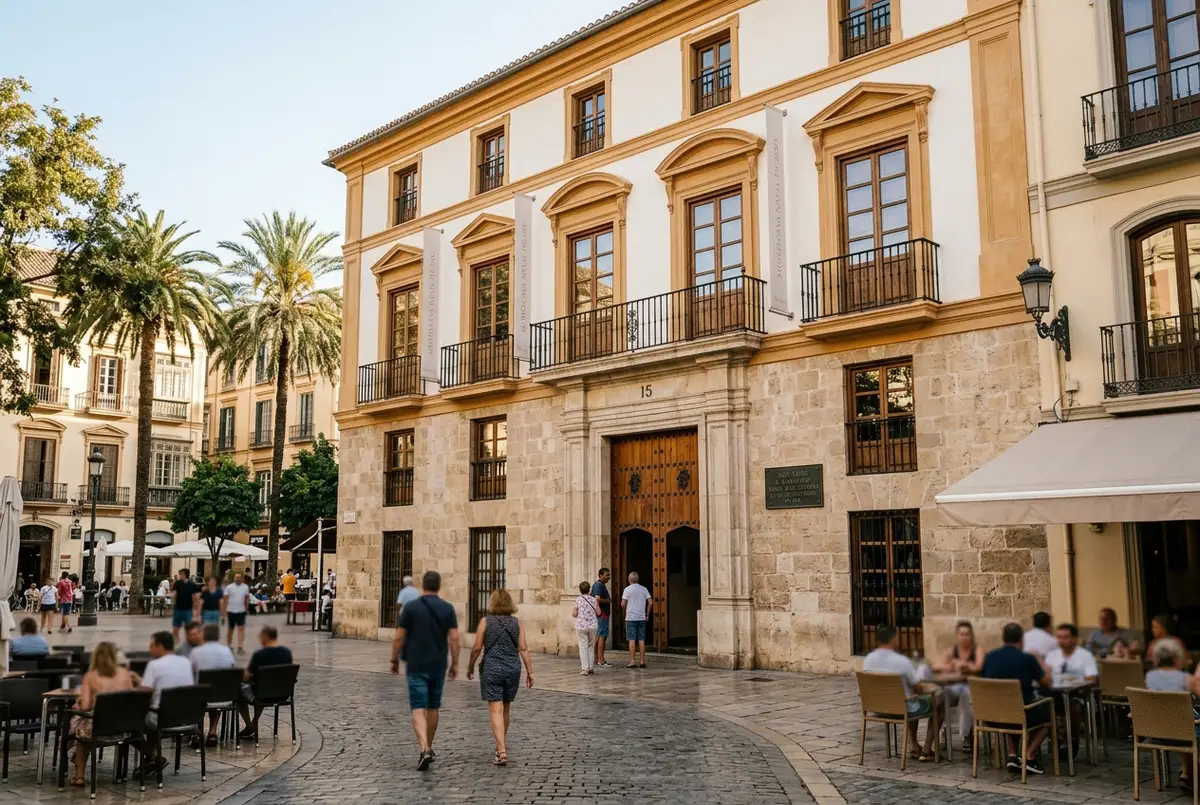
The picasso birthplace museum malaga sits on Plaza de la Merced, a lively square in the heart of the old town, inside the actual house where Pablo Picasso was born on 25 October 1881. Today the building is preserved as the Museo Casa Natal de Picasso, run by the Fundación Picasso, and it tells a much more personal, family centered story than the grand art collection across town.
Many first time visitors assume there is only one Picasso museum in Málaga. There are actually two distinct sites: the main Museo Picasso Málaga in the Palacio de Buenavista, and this smaller birthplace house on Plaza de la Merced. This guide introduces the birthplace museum on its own terms, then points you toward the comparison and pricing pages if you want more detail before you decide what to book.
As part of our complete Picasso Museum Malaga guides, this page focuses specifically on the house where Picasso’s story began, separate from the main collection’s galleries.
What Is the Picasso Birthplace Museum in Malaga?
The picasso birthplace museum malaga, known officially as the Museo Casa Natal de Picasso, is the preserved home where Picasso lived with his family for the first three years of his life. It is managed by the Fundación Picasso, a foundation dedicated to his early years and family history, and it sits in the same building at Plaza de la Merced 15 where his father, José Ruiz Blasco, once lived and worked as a painter and art teacher.
Unlike a recreated exhibit, this is the actual address tied to Picasso’s birth record, which gives the house a direct, documented connection to his life that few other Picasso related sites anywhere in the world can claim.
Who Was Living in the House When Picasso Was Born?
Picasso was born to José Ruiz Blasco, a painter and art teacher at the local school of fine arts, and Maria Picasso López, and the family occupied an apartment within this building on Plaza de la Merced. His father’s profession is part of why the birthplace museum matters beyond sentiment: Picasso grew up surrounded by brushes, canvases and academic drawing lessons well before he ever picked up a pencil himself, and several of the objects on display trace that early exposure directly.
The family stayed in Málaga until 1884, when they moved first to A Coruña and later to Barcelona as José Ruiz Blasco’s teaching career shifted. Those three formative years inside this specific building are the reason the casa de picasso malaga carries the weight it does among biographers and fans of his work, even though he left the city as a young child and only returned occasionally in later life.
Where Is the Birthplace House Located?
The picasso house malaga sits directly on Plaza de la Merced, one of the liveliest squares in Málaga’s old town, lined with cafes and a short walk from Calle Larios and the main shopping streets. It is about a ten minute walk from the main Museo Picasso Málaga in the Palacio de Buenavista, flat and easy to cover on foot through pedestrian old town streets.
The square itself is also a monument of sorts. A statue of Picasso seated on a bench sits nearby, and many visitors stop for a photo there before or after touring the house.
What Will You See Inside the Museo Casa Natal?
Inside, the casa natal picasso malaga preserves rooms furnished to reflect the family’s early life, including personal items such as baby clothes, family portraits and early sketchbooks connected to Picasso’s father. The rooms trace the Ruiz-Picasso family’s daily life rather than showcasing finished artwork, which makes the visit feel more like stepping into a documented family home than walking through an art gallery.
Because the building itself is modest, the collection is compact. Most visitors move through the memorabilia rooms in about 25 to 30 minutes, a fraction of the time needed for the full permanent collection at the main museum.
Several rooms are arranged to reflect a typical middle class Málaga household of the 1880s, giving context to how the family actually lived rather than presenting isolated objects in glass cases. Look for the reproductions of Picasso’s baptismal record and early family photographs, which anchor the house firmly to real, documented events rather than legend.
What Is the Fundación Picasso and What Does It Do?
The Fundación Picasso, created by Málaga’s city council in 1988, manages the birthplace house and runs a research library and archive dedicated to Picasso’s early years and his family’s history in the city. Beyond the museum rooms open to visitors, the foundation supports academic research into Picasso’s Málaga period and organizes occasional talks and small exhibitions connected to his life before fame.
This distinguishes the birthplace house from the main museum, which is organized around the donated art collection itself rather than biographical research. Visitors interested in the documentary side of Picasso’s story, not just the finished artwork, tend to find the foundation’s work adds real depth to what might otherwise be a quick, purely visual stop.
How Is the Birthplace Museum Different From the Main Picasso Museum?
The birthplace house focuses on Picasso’s family and childhood through personal memorabilia, while the main Museo Picasso Málaga in the Palacio de Buenavista holds 141 works spanning his entire artistic career, including Cubist and Neoclassical paintings. They are separate buildings, separate tickets and separate experiences that complement rather than duplicate each other.
What Are the Hours and Ticket Price for the Birthplace Museum?
The birthplace museum runs its own opening calendar and admission price, separate from the main museum, and current online tickets start at around €10 including a self paced city audio tour. Because rates and hours can shift by season, we cover the full current breakdown, along with dataAsOf pricing notes, in Picasso Birthplace Museum Hours and Ticket Price.
Who Should Visit Picasso’s Birthplace House?
The house of picasso malaga suits travelers who want the personal, human side of his story rather than only the finished art, along with anyone staying near Plaza de la Merced who has a spare half hour between other plans. It also works well as a quiet, uncrowded early morning stop before the old town fills up with foot traffic.
Visitors who care primarily about the paintings and have limited time in Málaga may prefer to prioritize the main museum instead, then add the birthplace house only if their schedule allows it. Cruise passengers with only a short window ashore often fall into this second group, since the main collection covers more ground for the time invested.
History focused travelers, biography readers and anyone researching Picasso’s family background tend to get the most out of the birthplace house specifically, since the personal artifacts on display rarely appear in broader art history accounts of his career. Repeat visitors to Málaga who have already toured the main museum on a previous trip also make up a large share of the birthplace house’s audience, using it to round out a Picasso themed return visit.
Families with young children generally find the birthplace house manageable too, since the visit is short and the rooms stay calm compared to a larger museum, though the narrow stairways typical of a nineteenth century townhouse mean strollers can be awkward to bring inside.
Does the Birthplace House Host Events or Temporary Displays?
Occasionally, yes. The Fundación Picasso organizes small temporary displays and talks tied to specific anniversaries or new research findings, though these run on their own calendar rather than a fixed exhibition schedule like the main museum’s rotating wing. If a special display happens to coincide with your visit, staff at the entrance will usually mention it, but it is not something to plan a trip around specifically.
Most of the year, the permanent memorabilia rooms are what visitors come to see, and they remain on display consistently regardless of any temporary program running alongside them.
How Does Plaza de la Merced Add to the Visit?
Plaza de la Merced is one of Málaga’s most historic public squares, predating Picasso’s birth by centuries, and it has long served as a gathering point for the surrounding old town neighborhood. A statue of Picasso seated on a bench sits near the house itself, a popular photo stop that many visitors do not realize is there until they arrive. The square’s cafes and shaded benches also make it a natural place to pause before or after the museum, especially if you are walking the old town on a warm afternoon.
Because the square sits at a crossroads between several old town routes, it also works well as a starting point for a wider walk through the historic center rather than a single, isolated stop.
Can You Visit Both Picasso Sites in the Same Day?
Yes, since the two buildings sit about ten minutes apart on foot, seeing both in a single day is realistic for most visitors with a few free hours. A combined ticket that bundles skip the line entry to the main museum with the birthplace house, led by a guide who specializes in Picasso, removes the need to book and time two separate visits yourself.
If you are still deciding how to book your visit to the main collection, our Picasso Museum Malaga tickets guide compares standard entry, the guided tour and the combined option that includes this birthplace house.
What Should You Know About Rules Inside the House?
Photography policies inside the birthplace house can change between the permanent rooms and any temporary display, so check current signage at the entrance rather than assuming flash photography is allowed throughout. The rooms are small and connected by narrow stairs typical of a nineteenth century townhouse, so large bags and strollers can be awkward to bring inside, and staff may ask you to leave bulky items at a small storage point near the entrance.
Because the space is compact, groups tend to move through in a fairly tight loop rather than spreading out the way you might at the larger main museum, so patience during busier periods, particularly midday, makes for a smoother visit.
What Else Is Worth Knowing Before You Go?
Plaza de la Merced itself is worth a slow look beyond the house, since the square sits at the edge of several other old town landmarks and carries its own layer of local history tied to the Ruiz-Picasso family’s years there. Nearby streets also connect to sites tied to Picasso’s baptism and early schooling, which some birthplace tickets include as part of a self guided city audio tour, adding useful context beyond the house itself without much extra walking.
Once you have covered the birthplace house, most visitors continue toward the main collection to see the finished work that grew out of the childhood this house preserves. Our guide to what to see at the Picasso Museum Malaga walks through that full permanent collection in detail, including how the galleries are organized by period.
Insider Tips for Visiting the Birthplace House
Visit early in the morning if you want the square and the house both relatively quiet, since Plaza de la Merced fills up with cafe crowds by midday. Bring a charged phone if your ticket includes a mobile audio tour of the surrounding streets, since the commentary usually runs through an app rather than a handheld device provided on site, and downloading the audio files on wifi before you set out avoids relying on patchy old town data coverage.
If you are combining this stop with the main museum on the same day, budget the ten minute walk between them into your schedule rather than treating both visits as back to back with no buffer. Comfortable shoes matter here too, since the flat walk between the two sites still covers uneven, cobbled old town streets that can slow down anyone in sandals or unbroken in shoes.
Travelers on a tight budget should note that the birthplace house remains one of the least expensive Picasso related tickets in the entire city, which makes it an easy add on even for visitors who have already spent most of their sightseeing budget on the main museum or other Málaga attractions.
Frequently Asked Questions About Picasso’s Birthplace Museum
Is the Picasso birthplace museum the same as the main Picasso Museum in Malaga?
No, they are two separate buildings and separate tickets. The birthplace house on Plaza de la Merced preserves Picasso’s family home, while the main museum in the Palacio de Buenavista holds his permanent art collection.
How long does a visit to the birthplace house take?
Most visitors spend 25 to 30 minutes inside the birthplace museum, since it is a compact house rather than a large gallery space.
Do I need a separate ticket for the birthplace house?
Yes, unless you book a combined ticket that covers both the main museum and the birthplace house in one purchase.
Is the birthplace museum worth visiting if I only have time for one Picasso site?
If your time is limited and you care mainly about the art, the main museum is the stronger single choice. The birthplace house is better suited to visitors who also want the personal, family side of Picasso’s story.
Where exactly is Picasso’s birthplace located?
The house sits at Plaza de la Merced 15 in Málaga’s old town, about a ten minute walk from the main Museo Picasso Málaga.
For background on Picasso’s early life and his years in Málaga, see the Pablo Picasso entry on Wikipedia.